Step 1
Consultation and Scope Alignment
We collect project goals, usage priorities, and schedule constraints so the work plan reflects real property needs instead of a generic package.
Loading content...
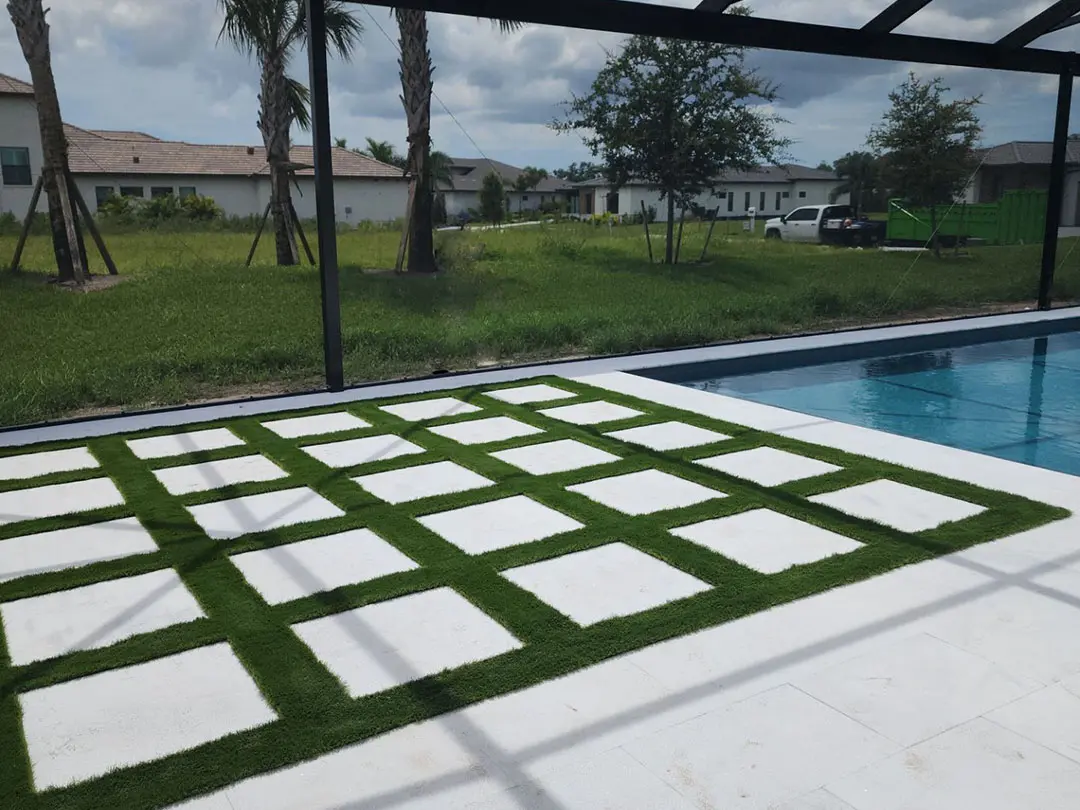
Structured turf planning and installation support for artificial turf installation projects in Kingwood and nearby areas.
Artificial Turf Installation projects in Kingwood require a field-tested approach that begins with site conditions and ends with long-term surface performance. Our team builds each scope around slope, drainage, base stability, and daily use patterns so the finished system supports the way the space is actually used. Instead of forcing a one-size process, we sequence preparation and installation around property access, timing constraints, and maintenance expectations so owners have a realistic path from consultation to completion. During planning, we review existing materials, transition edges, adjacent hardscape, and traffic zones to determine where the surface needs added reinforcement or drainage control. That early coordination reduces call-backs and avoids preventable performance issues after turnover. Installation in the Kingwood market also means accounting for seasonal storm cycles, shifting moisture, and mixed-use outdoor zones where people, pets, and equipment share the same footprint. By setting clear scope boundaries and documenting each construction step, we keep expectations aligned for homeowners, property managers, and facility teams. The result is a turf system that looks consistent, drains predictably, and remains easier to manage through changing weather and daily use.
Each artificial turf installation scope is organized around core construction tasks and clear turnover expectations so project stakeholders know what is being delivered and why each step matters.
Artificial Turf Installation is often selected because it combines visual consistency with practical upkeep, especially where irrigation limits, usage intensity, and drainage concerns all affect surface decisions. The value comes from balanced planning, realistic execution steps, and clear maintenance guidance after project completion.
Primary local coverage includes Kingwood, TX and surrounding communities.
Our process is structured so scope, sequencing, and field communication stay aligned from pre-construction through closeout.
Step 1
We collect project goals, usage priorities, and schedule constraints so the work plan reflects real property needs instead of a generic package.
Step 2
We establish drainage pathing, base stability, and finish elevations before turf placement to support long-term performance.
Step 3
We place turf sections for directional consistency, secure seams, and detail edges so transitions remain clean under routine use.
Step 4
We calibrate infill and grooming based on use profile, then verify visual consistency, drainage behavior, and handoff readiness.
Artificial Turf Installation scopes are commonly adapted across residential, commercial, and mixed-use properties in the Kingwood area.
Backyards, side yards, and activity zones that need a cleaner surface profile with less routine upkeep than natural grass.
Common areas, amenity courtyards, and entry landscapes where durable finish quality and predictable drainage are key.
Pet runs and activity areas that benefit from controlled drainage, surface stability, and straightforward cleaning routines.
Project scope and total effort usually depend on field conditions and construction complexity rather than a single fixed variable.
Existing material type, grade variability, and removal requirements influence preparation effort and sequencing.
Additional drainage routing or base correction can affect labor allocation and staging.
Curves, transition edges, access limits, and zone changes can increase installation detail work.
Pet activity, recreation intensity, or commercial traffic can change infill and finish planning requirements.
We support Kingwood, Humble, Atascocita, Porter, New Caney, Crosby, Huffman, Channelview, Summerwood, Fall Creek, Roman Forest, and Splendora with coordinated scheduling and route planning.
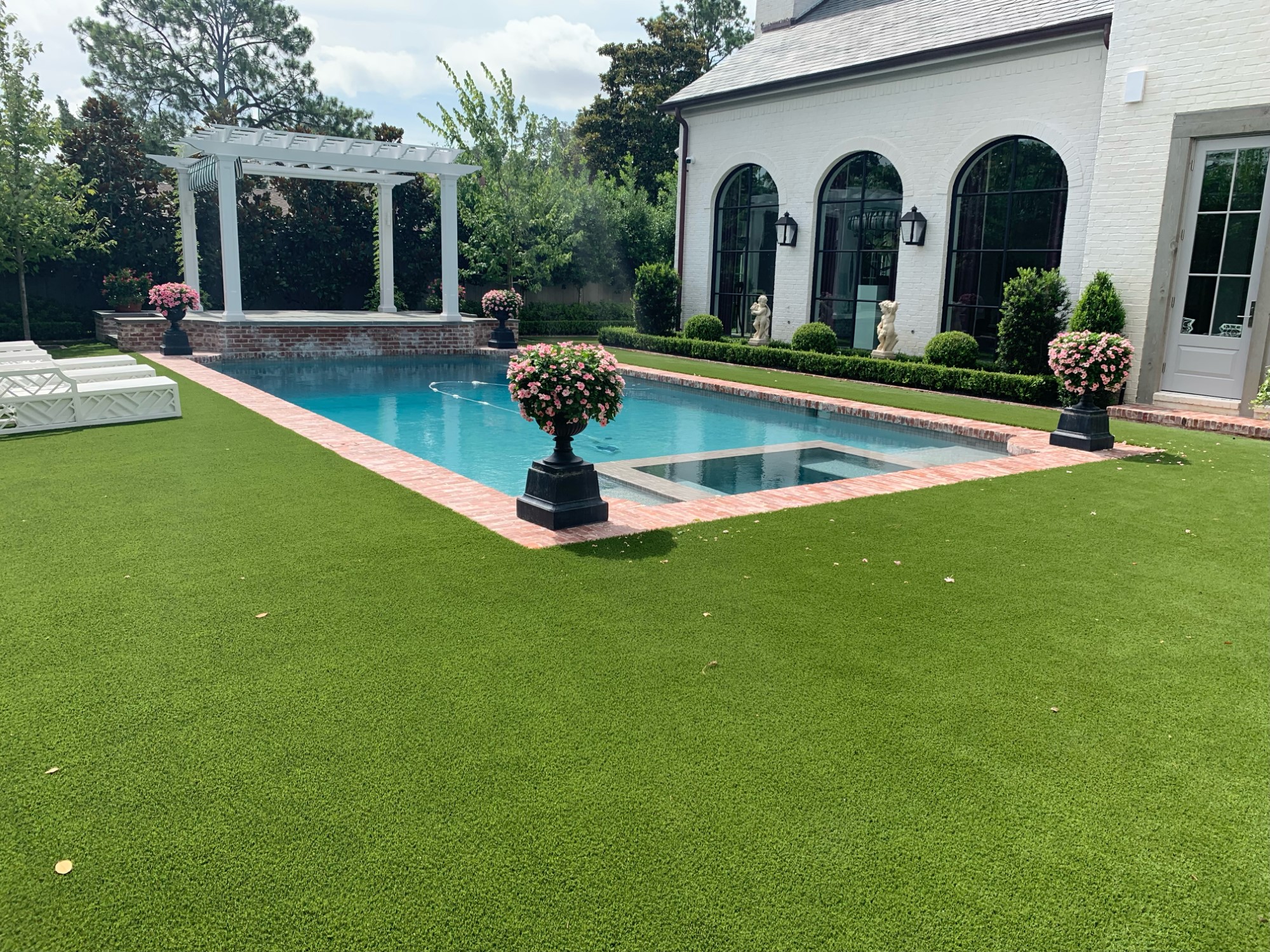
Backyard and front-yard turf systems designed for family use, pets, and low-maintenance living.
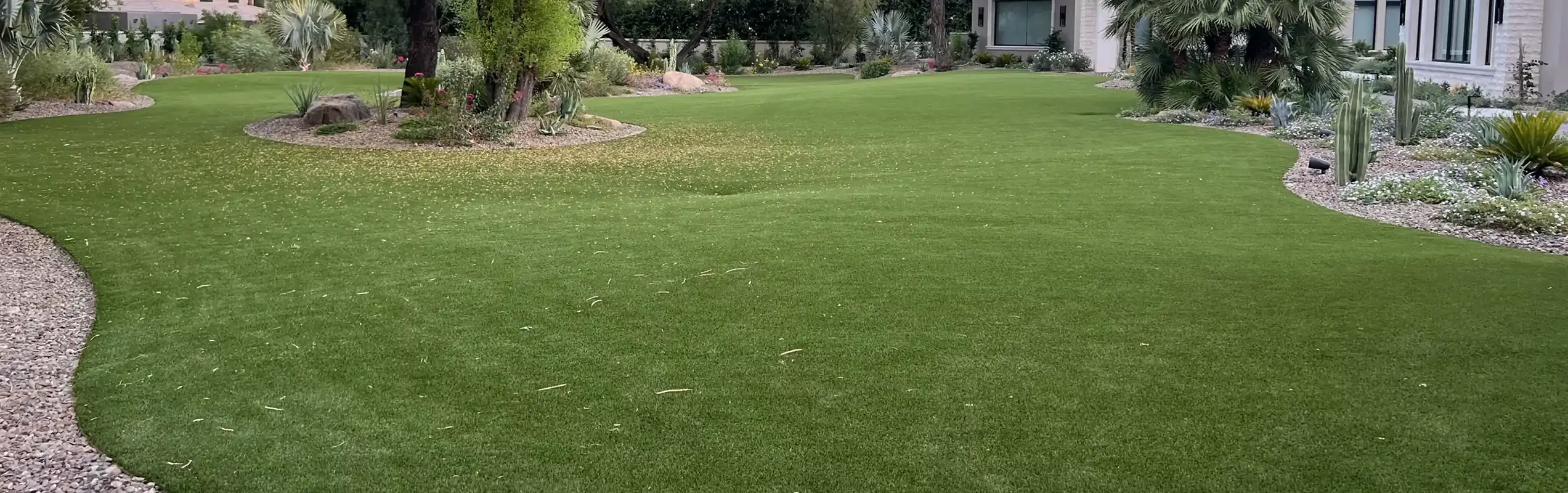
Commercial-grade turf layouts for offices, retail properties, and multifamily communities.
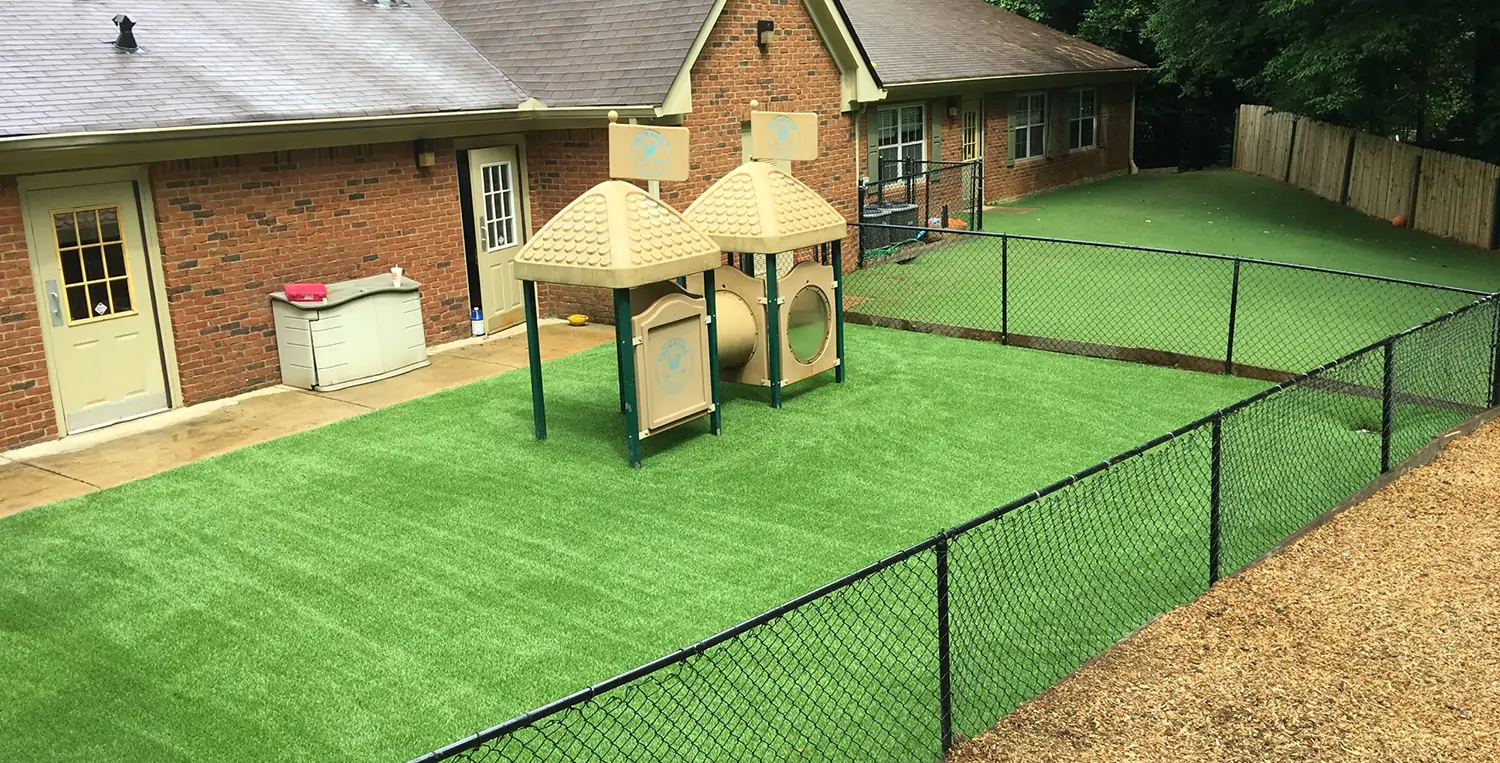
Durable pet turf systems with drainage planning for cleaner and easier outdoor pet areas.
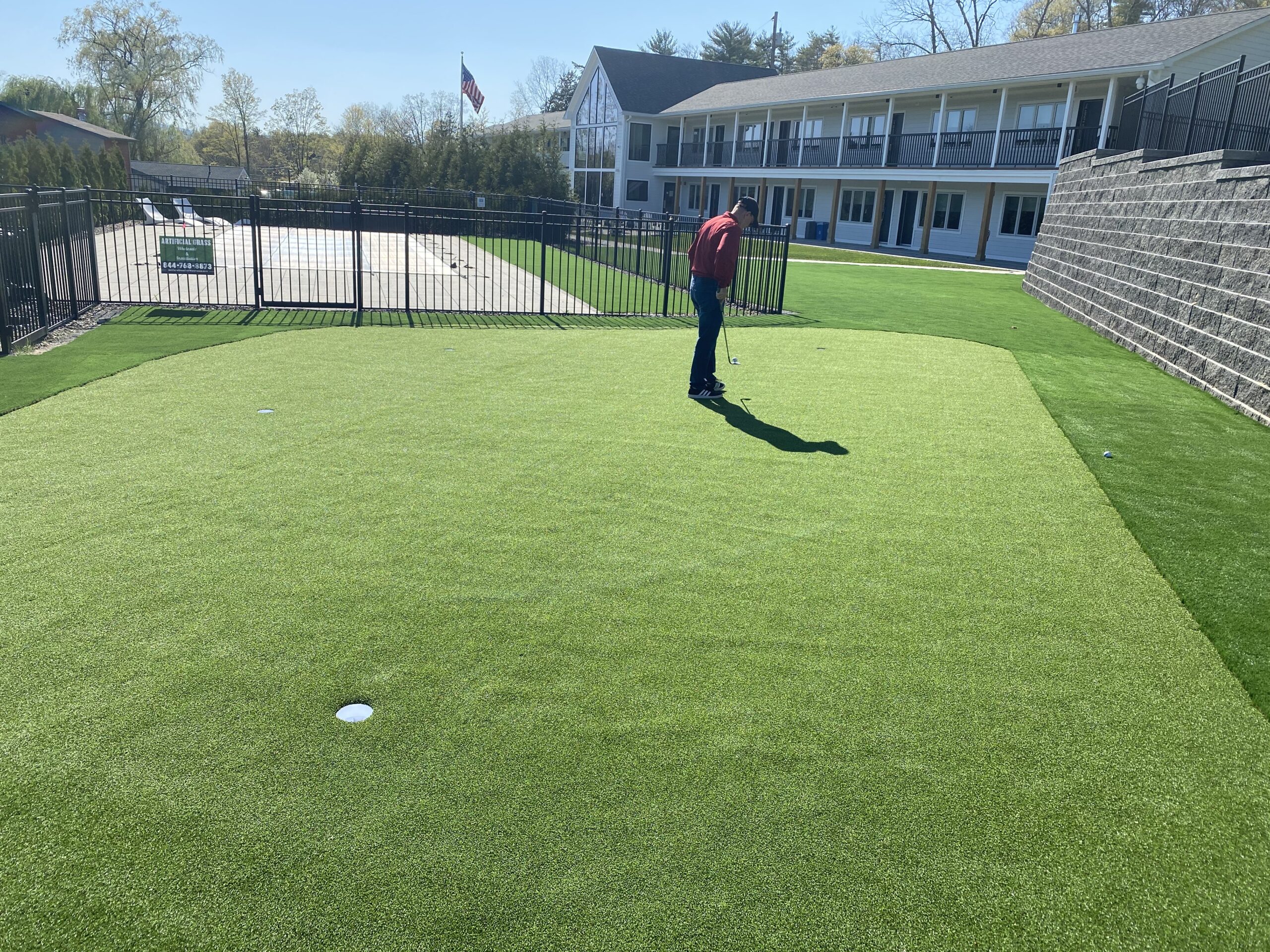
Custom backyard putting greens with tailored speed, contour, and fringe transitions.
We map slope transitions, verify drainage direction, and adjust base preparation to keep finish elevation and water movement consistent across the installation area.
Yes. When access or occupancy requires staged work, we sequence the scope by zone so high-priority areas can be delivered first.
We confirm final scope boundaries, entry access, staging path, drainage approach, and turnover expectations before field work begins.
We align turf direction, control seam treatment, and calibrate infill so finished areas maintain a consistent appearance and feel.
Yes. The same core process is adapted to different use demands, layout complexity, and operational timing requirements.
We review completed work areas, care priorities, and any follow-up recommendations so the property contact has clear next steps.
Share your scope priorities and timeline. We will follow up with project recommendations for your property.
Call (281) 215-5417